
Some programming concepts

Library: Lets take for example. You write code that prints Hello World to the screen. Someone refines it and maybe it starts to ask input before printing. Someone again adds different text formatting to it and you no longer need to rewrite the same code ever again to achieve that functionality.

Framework: Imagine you are builing a house. and you get a system that provides the scafflolding, foundation and the frame at the same time so that you don't need to redo most of the work. This is like a library on a grander scale- flexibility/functionality is reduced.

SDK: In the old days - one would get a software development kit (something like pictured below). But it would be filled with floppy disks, documentation books etc. So it was an actual kit!
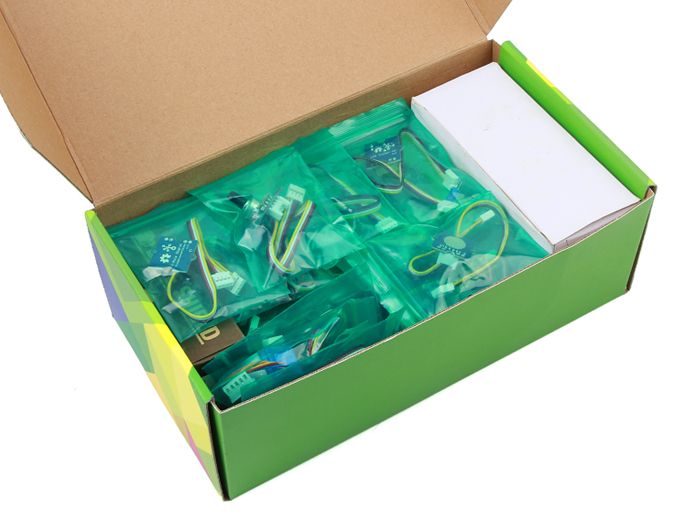

Class: This is a template\blueprint or a recipe list.


Comments

Popular posts from this blog

Making money with the falling rand: Lessons from Zimbabwe

It is no secret that the rand is falling like there is no tomorrow. This year alone it has fallen by over 18%. And if you look closely, at the last 3 years- it has fallen by 35%! This is not neglecting the economic setup where the slightest thing leads to ‘ toi toi. ' This trend of continuous striking and pay rate increase bargains has created such a vicious cycle. Prices rise, people strike, economy starts going through stuff. And we back at square one. We all know for sure that this cycle is bad. Zimbabwe and South Africa might not be different soon, only difference being that Zimbabwe chased the farmers, South Africa is chasing stabilisation. (Maybe the paradox of thrift  (prompted by the large population) will save them! Hope so.) In Zimbabwe 2008, a lot of people made a lot of money from ‘burning money’. This was whereby people took advantage of the bank rate versus the ‘streets’ rate of forex. The streets rate for forex was lower than the bank rate. Problem wa...

Django & Firebase - A marriage of awesomeness

Requirements 1) Django (obviously) 2) Pyrebase (pip install pyrebase, you know the drill) So to give a better appreciation- I will first show you the HTML way then I'll proceed to show you how its done in Python. METHOD 1 : The HTML way Then you need to go to the firebase console. To setup a new project. After that you will see a web setup and you select that. Once selected you will see the config. It should be similar to this : Now that you have configured firebase, we now need to select the components which will be needed. depending on what you want for your app- you can now select the modules that you need. For us today, we will do the login authentication. Make sure you include firebase app first, so this is my screen: METHOD 2: Enter Python Open your dev environment and create a file named  pyrebase_settings within your django app folder. In it, you will have the following: Now, lets go to views.py!

Gentlest introduction : The Cloud

How it began To me the concept of cloud started when people began virtualizing their systems using the like of Virtual-box and VMware. What bough this a;long was the evolution/advent of technology which made it possible for software so simulate hardware. Originally software could not simulate hardware drivers but the moment that became possible- virtualization was born. A few years after- companies started offering this virtualization at a much grander scale and Infrastructure as a service was born. Lets get down to the three cloud components namely: Infrastructure as a Service (IAAS) This outsourced hardware meaning that one noways noes not need to setup servers, air-con and the like of access control but could 'rent' from someone and one of the great things about this was that a backup not only meant software but also meant hardware (as software could now simulate hardware) so recovery in case of disaster became easier. Platform as a Service (PAAS) This is ...